- Location: Higashi-ku, Nagoya-shi, Aichi
- Owner: Aichi Prefecture
- Architect: A & T Building Research Institute
- Construction: 1992
- Renewal: April 2019
- Number of seats: 2,480
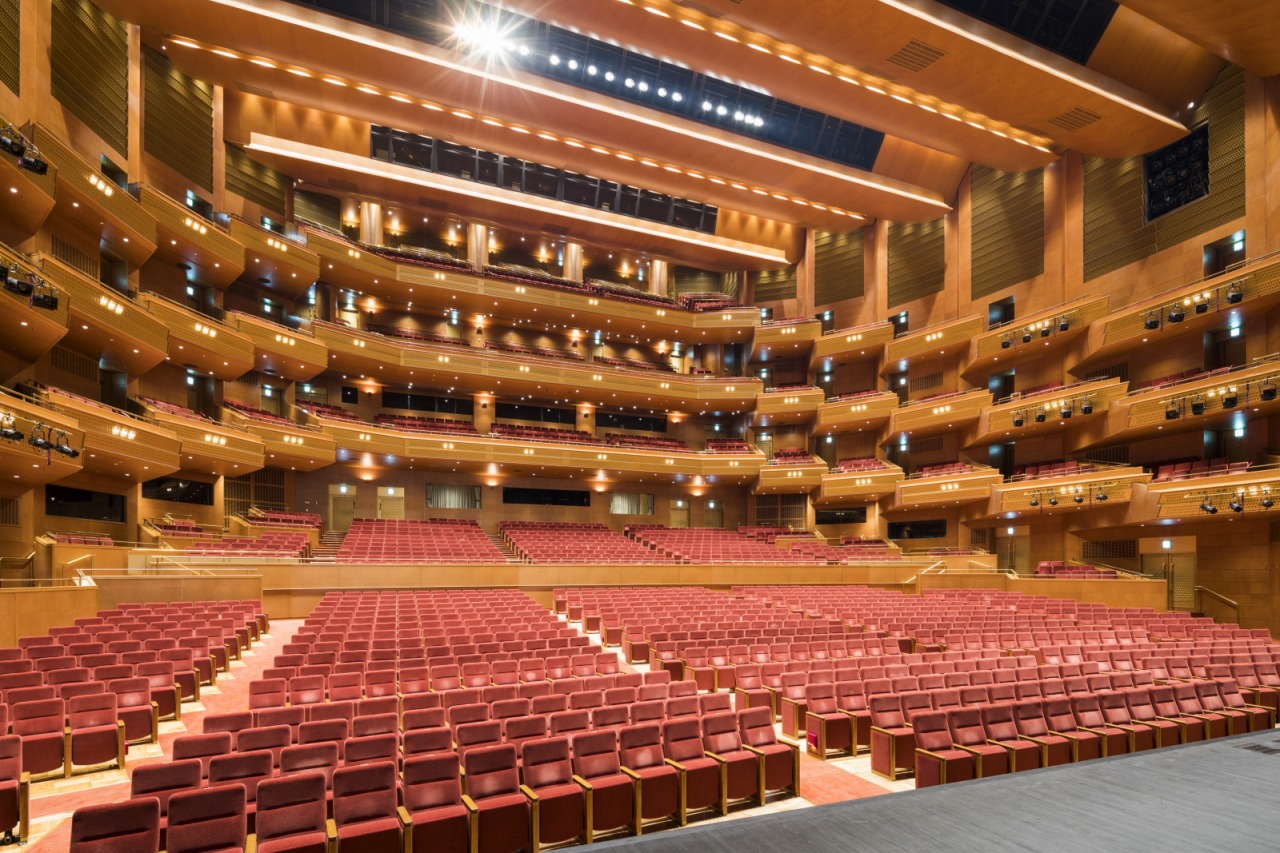
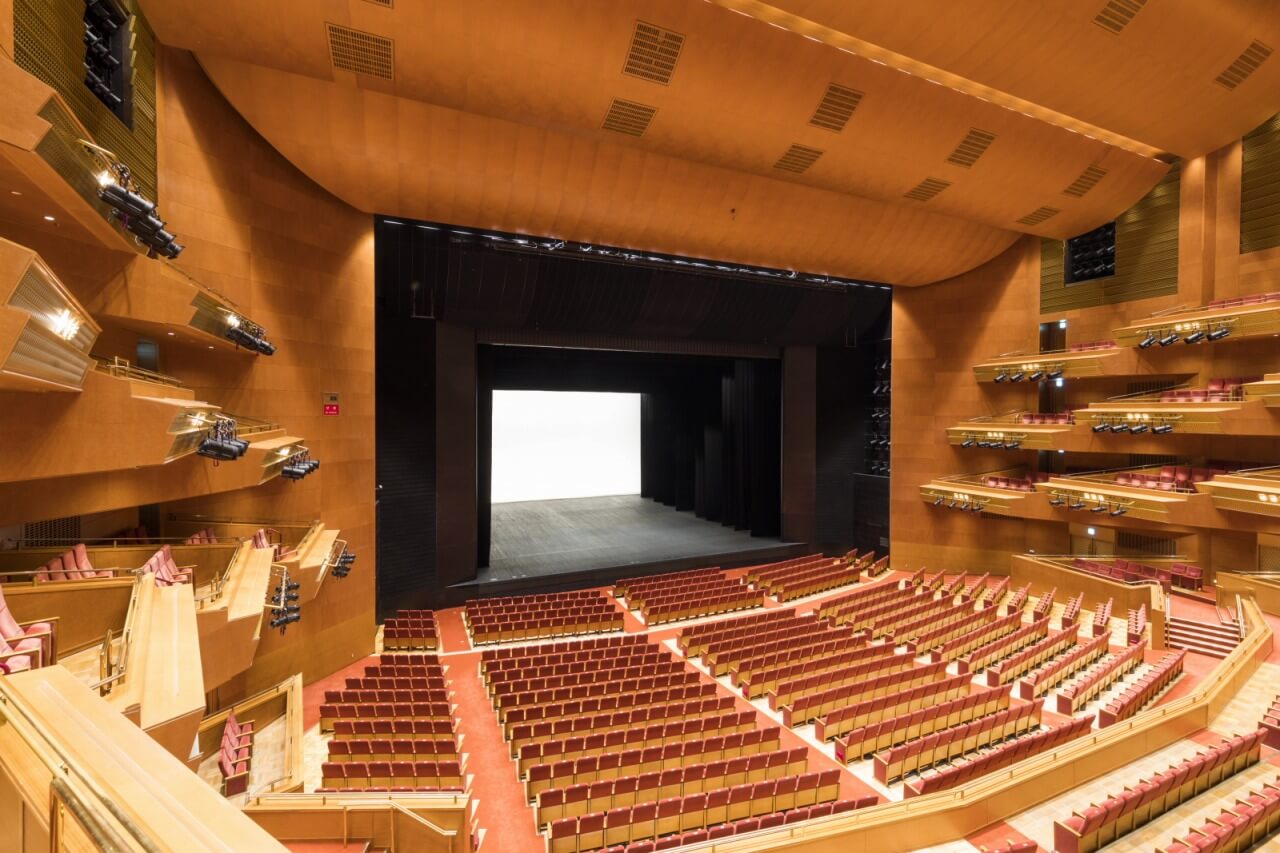
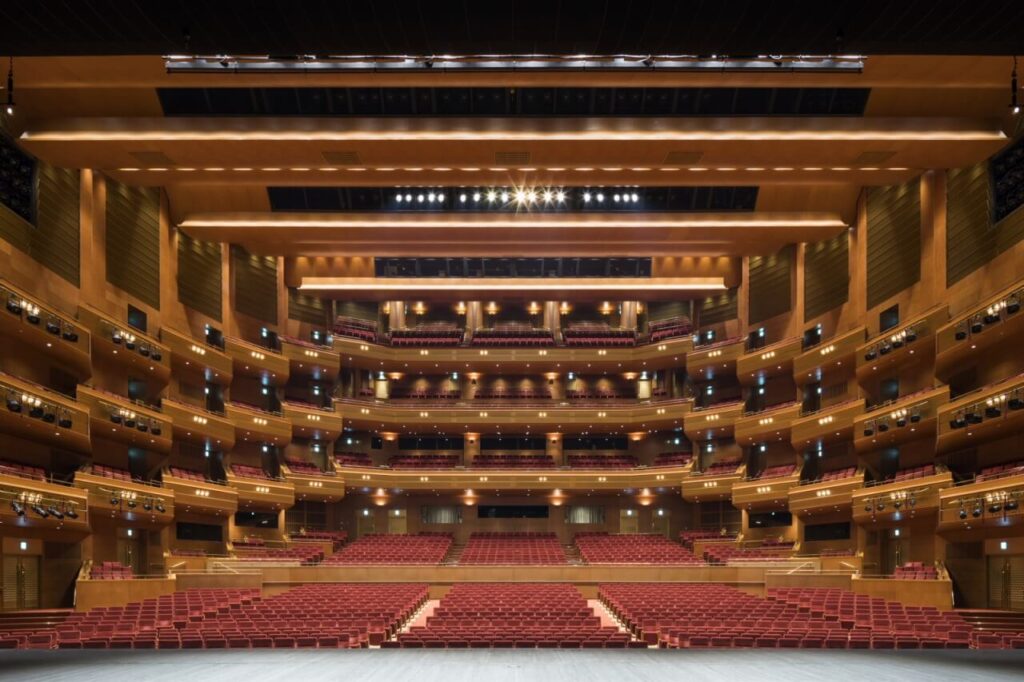
In 1992, the Aichi Prefectural Art Theater opened at the Aichi Art Center. In 2016, 24 years after the theater opened, large-scale renovation work began on the entire facility.
Kotobukisting has renovated the audience seating in the grand hall where the upholstery and wood of the chairs had deteriorated over time. And in April 2019, the great hall was reopened.
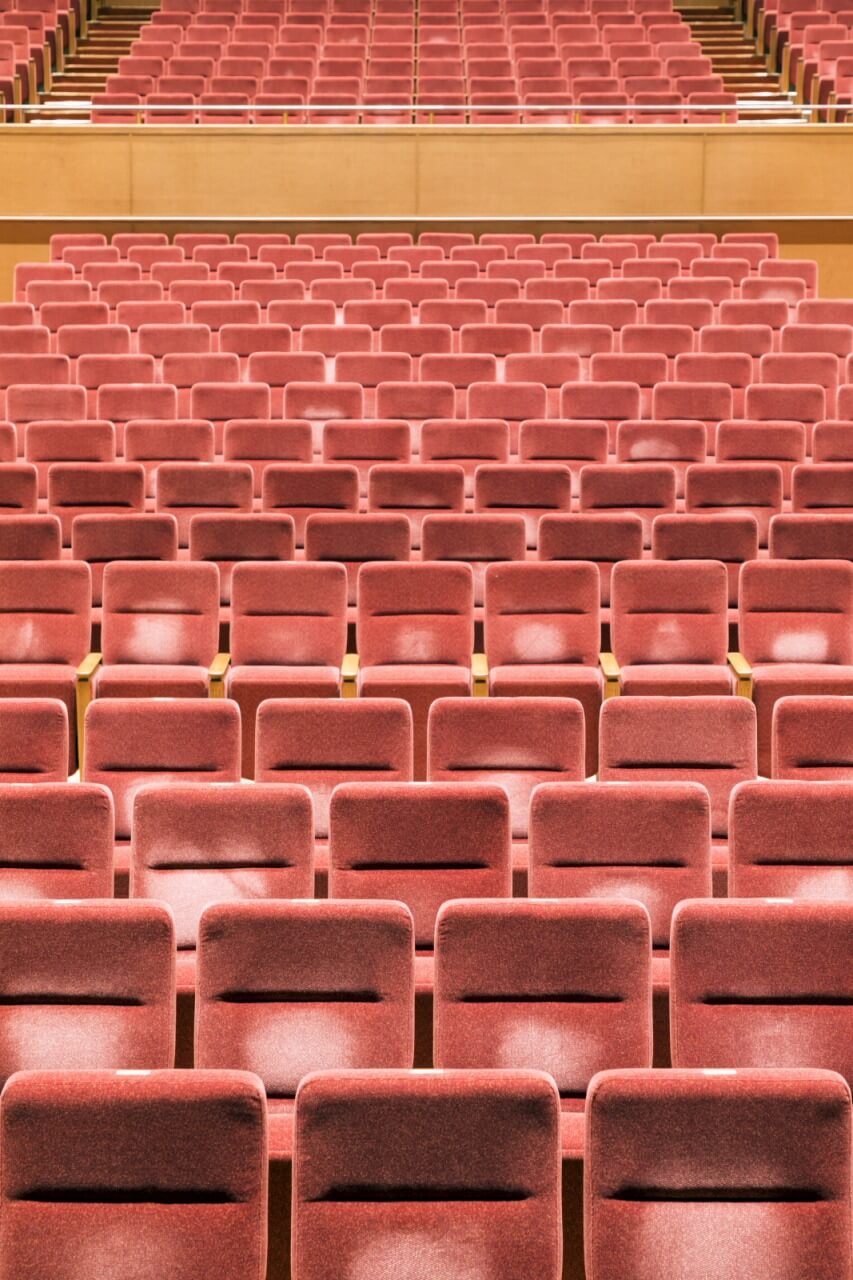
The renovation of the large hall, which has seating up to the fifth floor, focused on audience seating on the first and second floors. The center seating on the second floor has been changed from the conventional seating arrangement to a staggered arrangement. As a result, it has been reborn as an audience seat where the view is not obstructed by the head of the person in front. In addition, aisles have been established in the front rows on both sides of the second-floor seats so that the first- and second-floor seats can move smoothly even during short breaks.
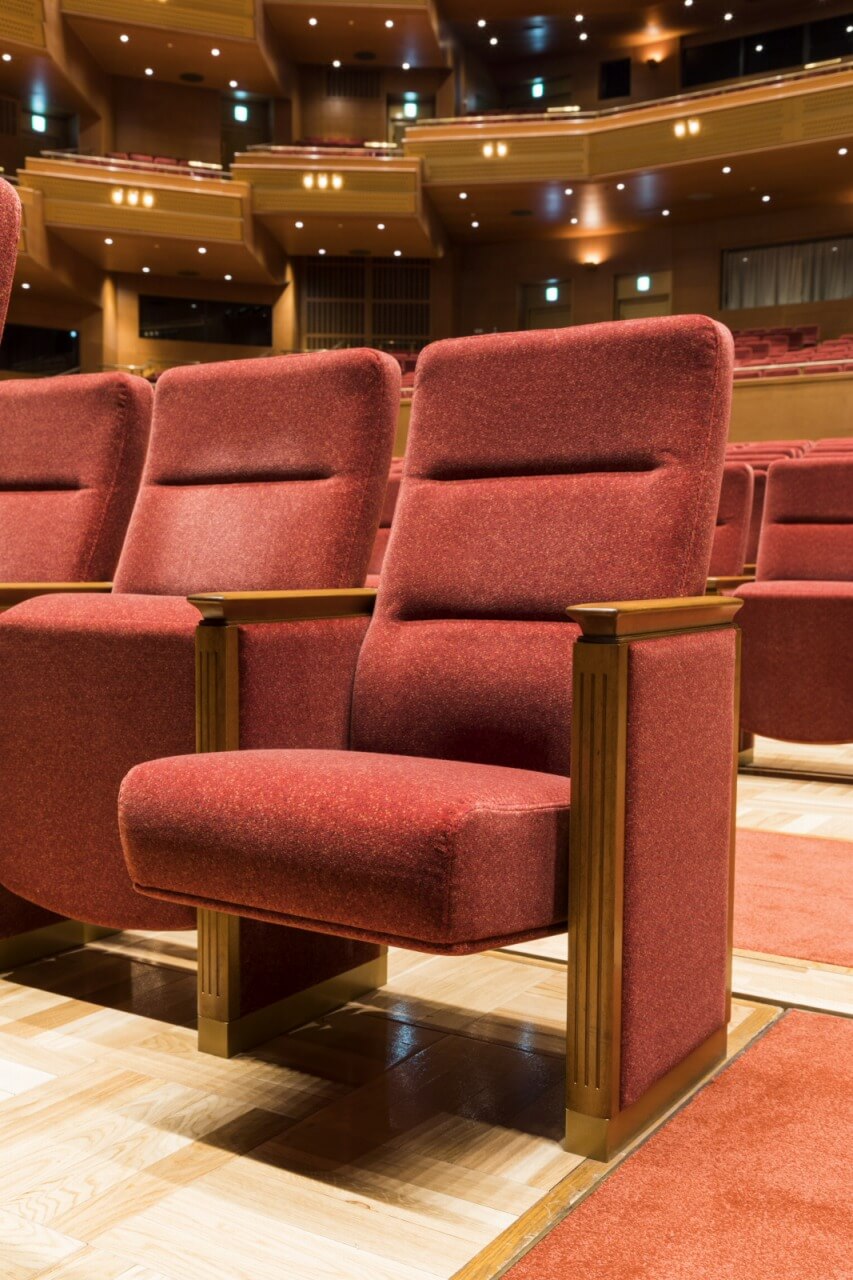
The chair presented this time is a custom model of the theater chair, the same as before the renovation.The seat has a built-in molded urethane that is resistant to loss of shape and a corrugated metal spring with excellent durability that evenly distributes body pressure. With a special shape that minimizes the load on the body, it is comfortable to sit for a long time. With the newly installed “automatic seat loosening device”, the seat naturally returns to its original storage position when the seat is empty, so a large aisle space can be ensured. Since no vibration or collision noise is generated, the interior of the hall is kept quiet. In addition, the seat grade has been improved by remodeling the conventional primary stop type to a non-stop type which is a loose foot type that conforms to current regulations.
The spine has an ergonomic three-dimensional curved shape designed along the lines of the human spine. The curve adapts to the back of the seated person and reduces the feeling of fatigue when sitting.
Handrails have recently been installed on the aisle side of the upstairs seating. The upstairs seating has a steep slope, so you should be careful with your feet when going up and down the stairs. For this reason, we have also considered barrier-free access so that we can go up and down stairs safely.
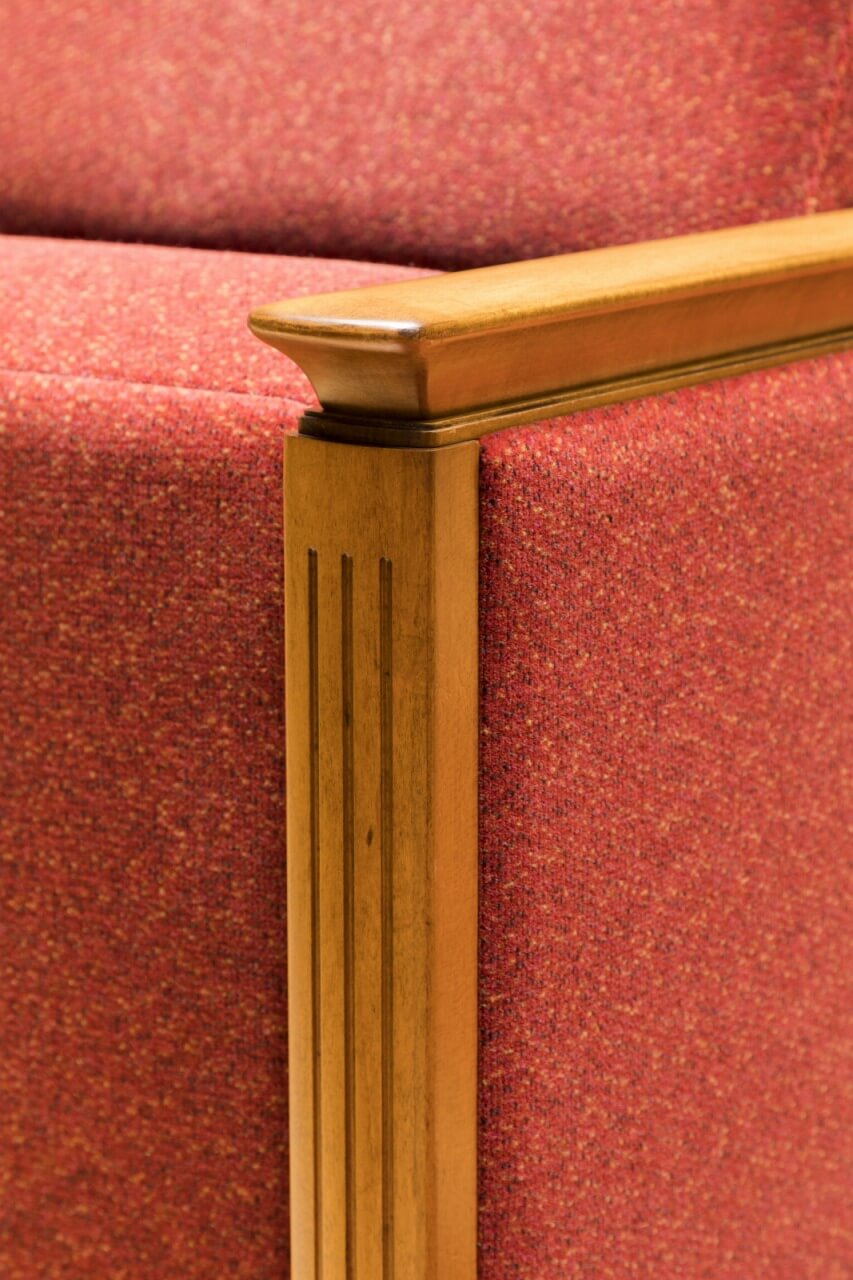
Zhangji repaired all the seats on the first and second floors. By remanufacturing the same custom-made carpet fabric as before the renovation, the liveliness was revived at the time of completion and the audience seats were beautiful.
In addition, the front block (Okepi area) of the second floor seats often moved by removing the movable seats, and the wooden part also deteriorated, so we also repaired the paint on the wooden part.
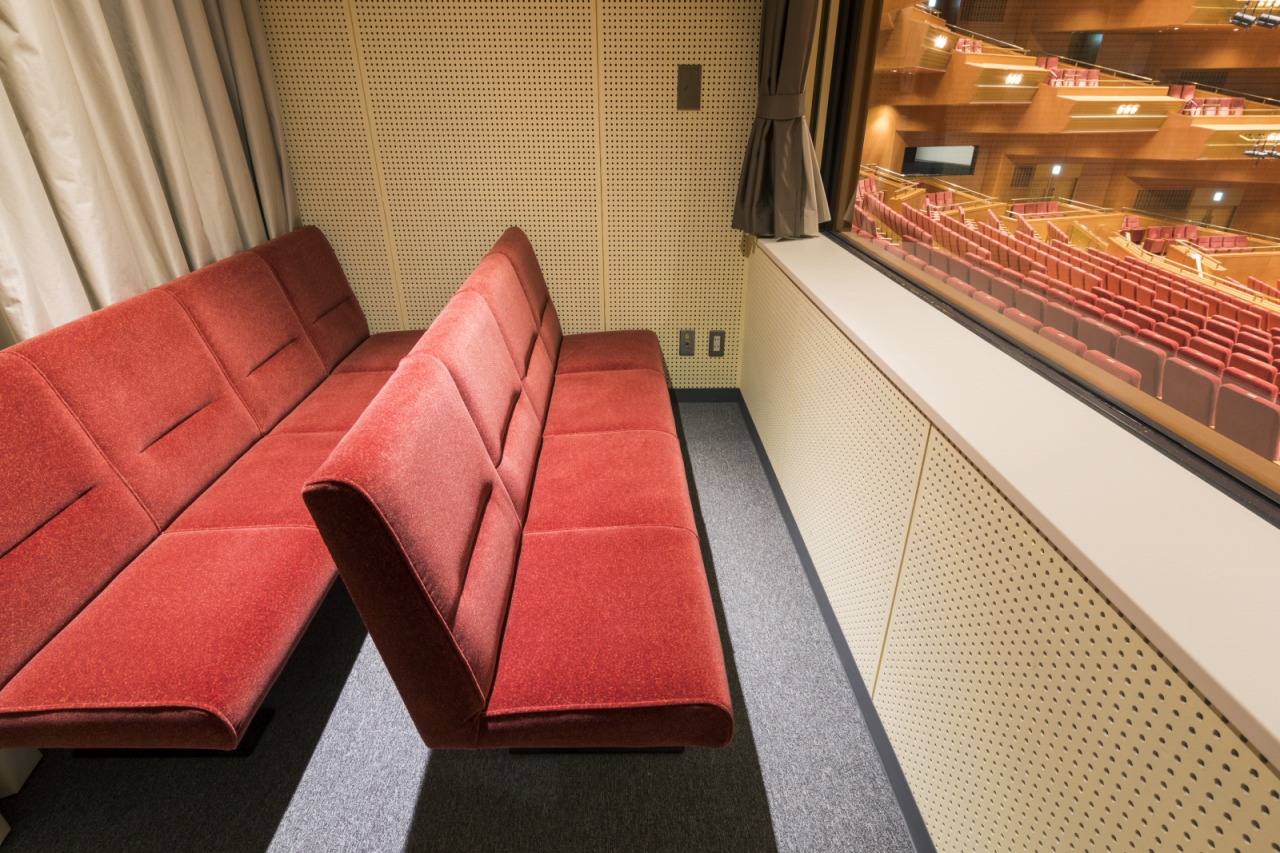
The parent-child seating behind the second floor seats, where parents and children can enjoy art appreciation, has also been renovated. It is a sofa type without armrests and has a wide frontage, making it a chair with a high degree of freedom in the way of sitting.
After the reopening, there was a guided tour of the theater, an experience for the children’s theater staff and a dance workshop, showing enthusiasm.